

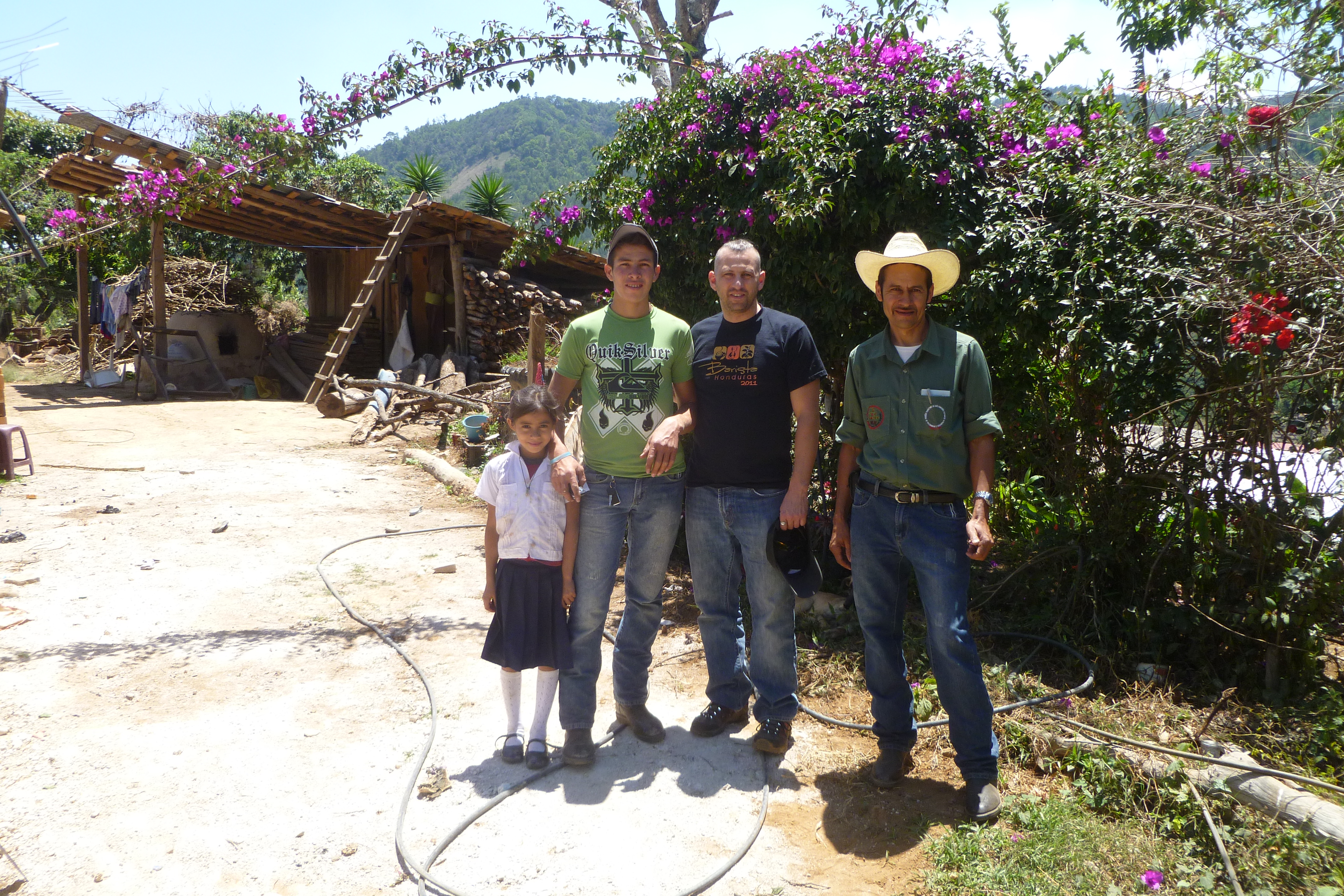

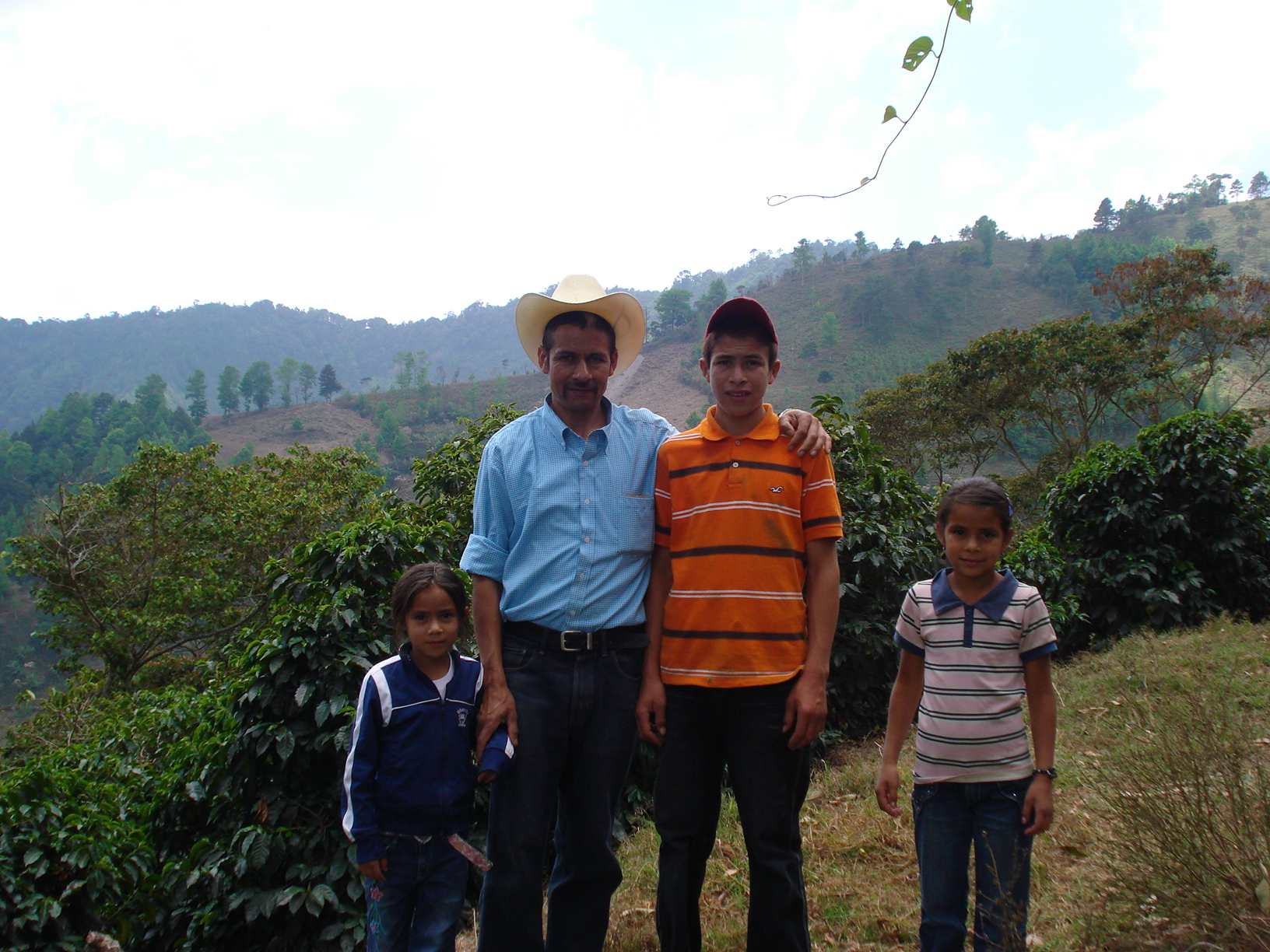

Saúl Melara began farming in El Pinal, San Marcos, Ocotepeque, along with his wife and children. El Pinal is a remote hamlet with about 150 inhabitants located about two hours away from San Marcos (10,000 inhabitants) during the dry season. In the rainy season, it’s hardly possible to drive on El Pinal’s dirt roads even with a four wheel drive vehicle, and the hamlet is sometimes cut off from the world for days in a row.
We met Saúl and his coffee while judging the Honduras Cup of Excellence (COE) competition. COE is the only program currently in existence that mirrors the work we do in building relationships directly with our farmers, that is based on the quality of the coffee and desire to achieve it consistently.
In 2007, we were able to try Saúl’s coffee both in the COE that year and in a special Western Honduras cupping event that we were invited to judge in Santa Rosa de Copan….the gateway to Occidente & high quality coffee. In both instances, we were delighted with the quality (assessed in blind tasting, not knowing it was his coffee until the end). We immediately searched him out way up high at 1700 MASL in the Ocotopeque region of southwest Honduras, right along the El Salvador border.
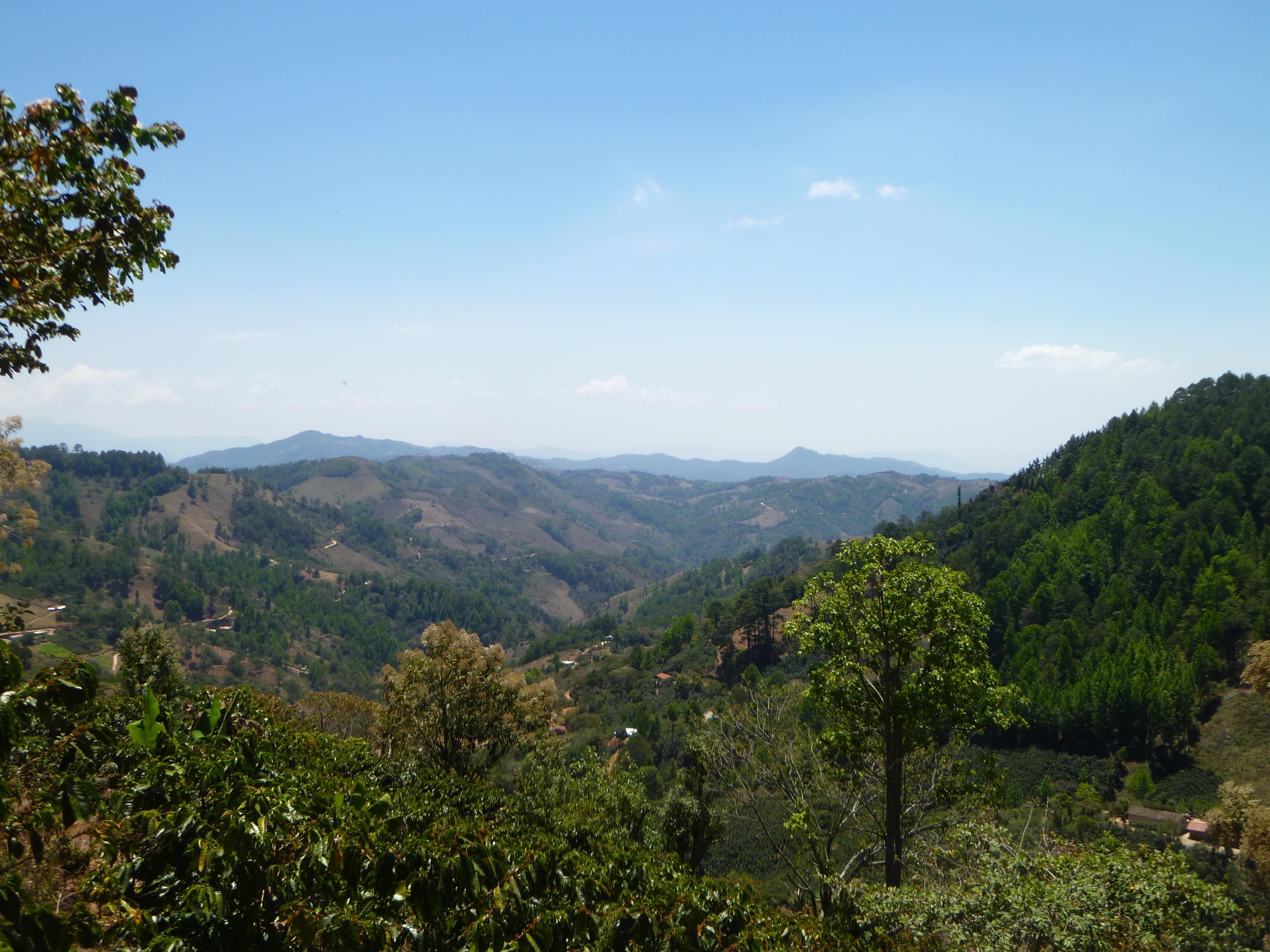
Saúl’s farm is in the Cerro Negro mountains among protected areas of flora and fauna, water producing mountains and beautiful touristic landscapes.
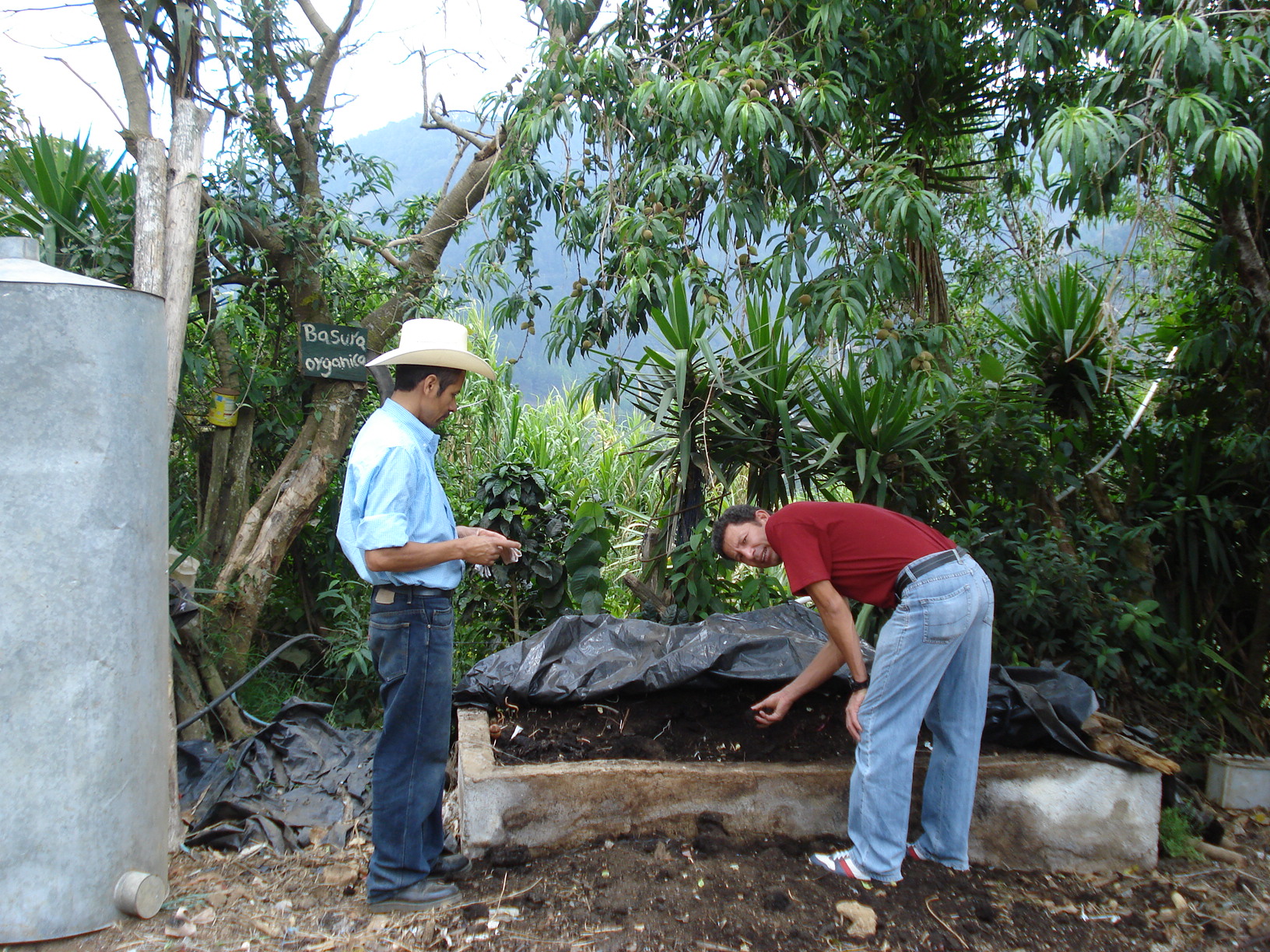
While visiting his farm, we began by talking with Saúl about how we could work together…not just one year but also how we could support his quality efforts for years to come! We learned that Saúl’s farming techniques are organic in order to avoid contamination of the water sources in the beautiful El Pinal forest, and the farm’s maintenance activities are directed toward environmental protection and care.
All these years later we are proud to say we have been able to consistently support his efforts, buying most, and often all, of the harvest and supporting his family of 9 children.
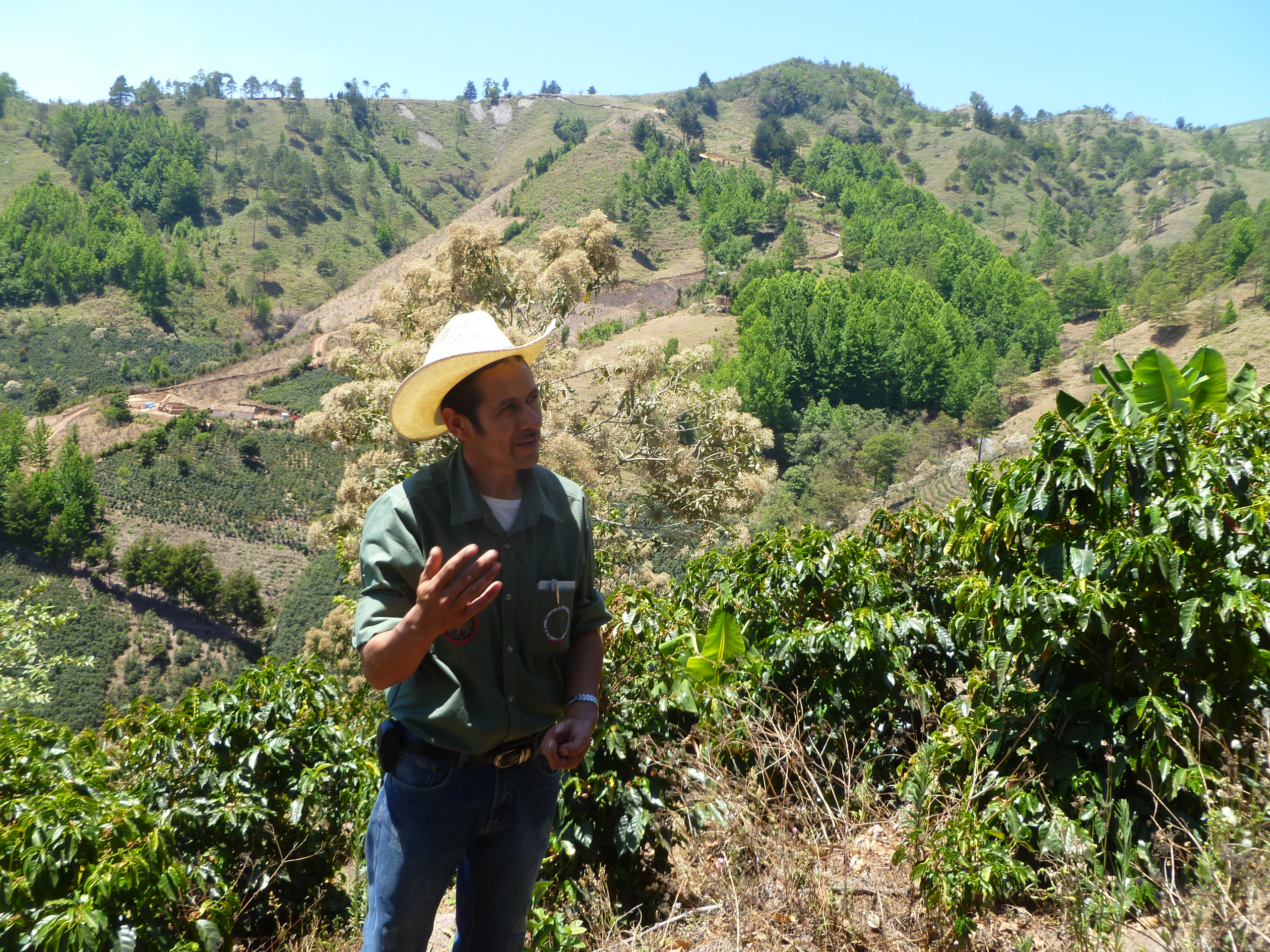
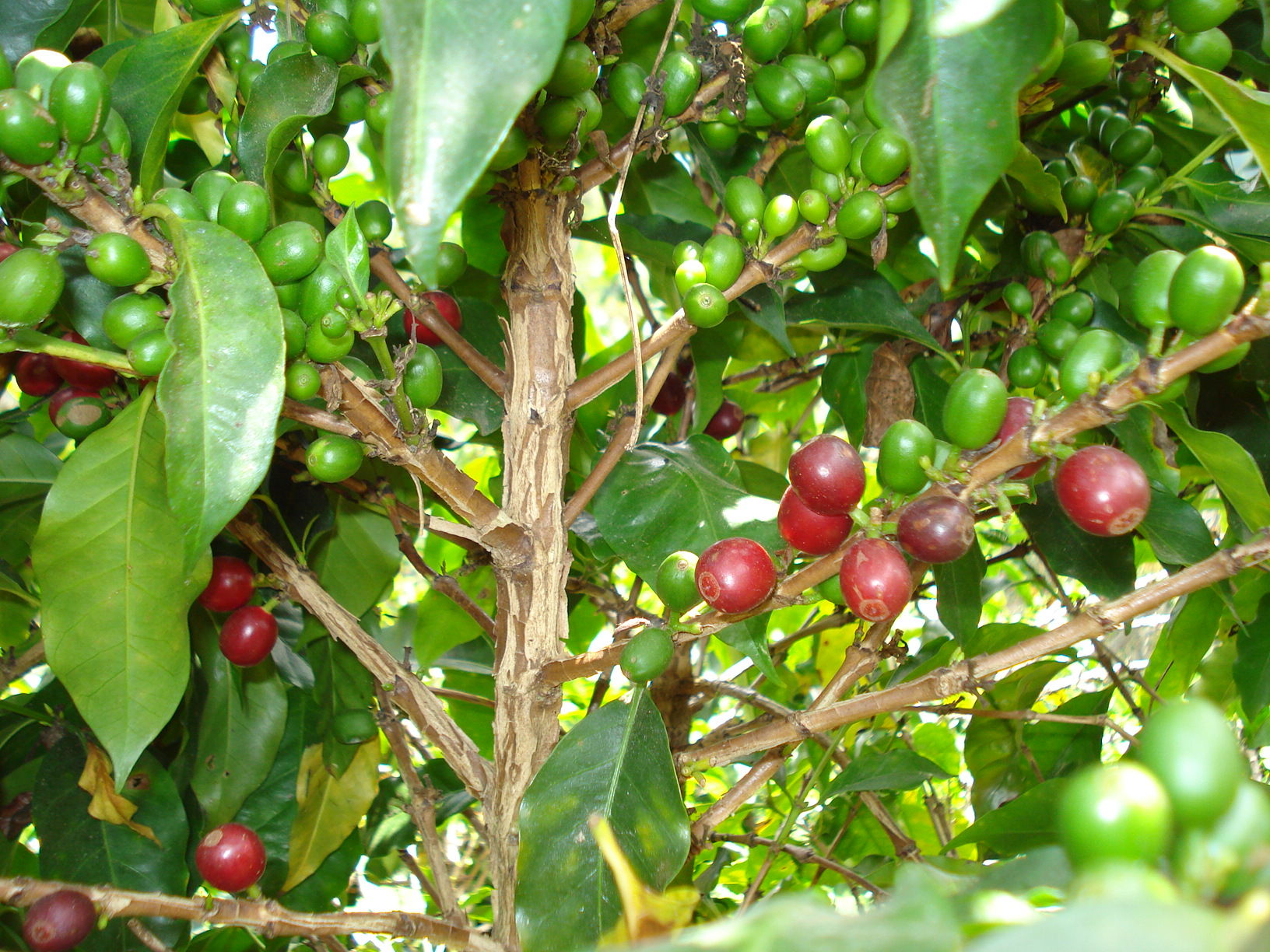
Saúl plants mostly Pacas on his windswept hillsides that are covered by pines (hence the name) and three species of maple, avocado trees, along with other more tropical shade plants such as pepeto or Ice Cream Bean, a native plant from Central America, Colombia and Venezuela that drops fruit during the wet season and is a staple of the local diet.
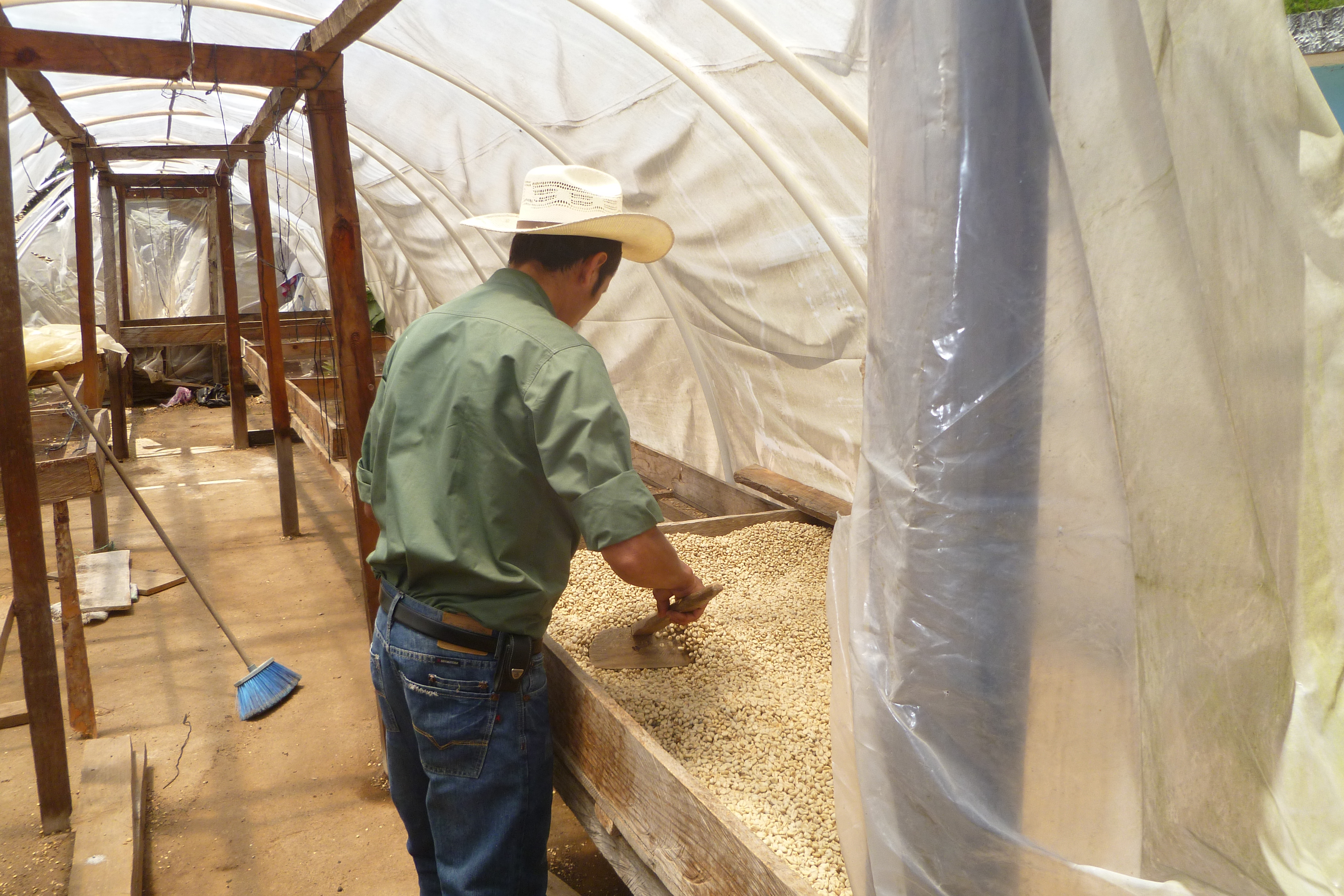
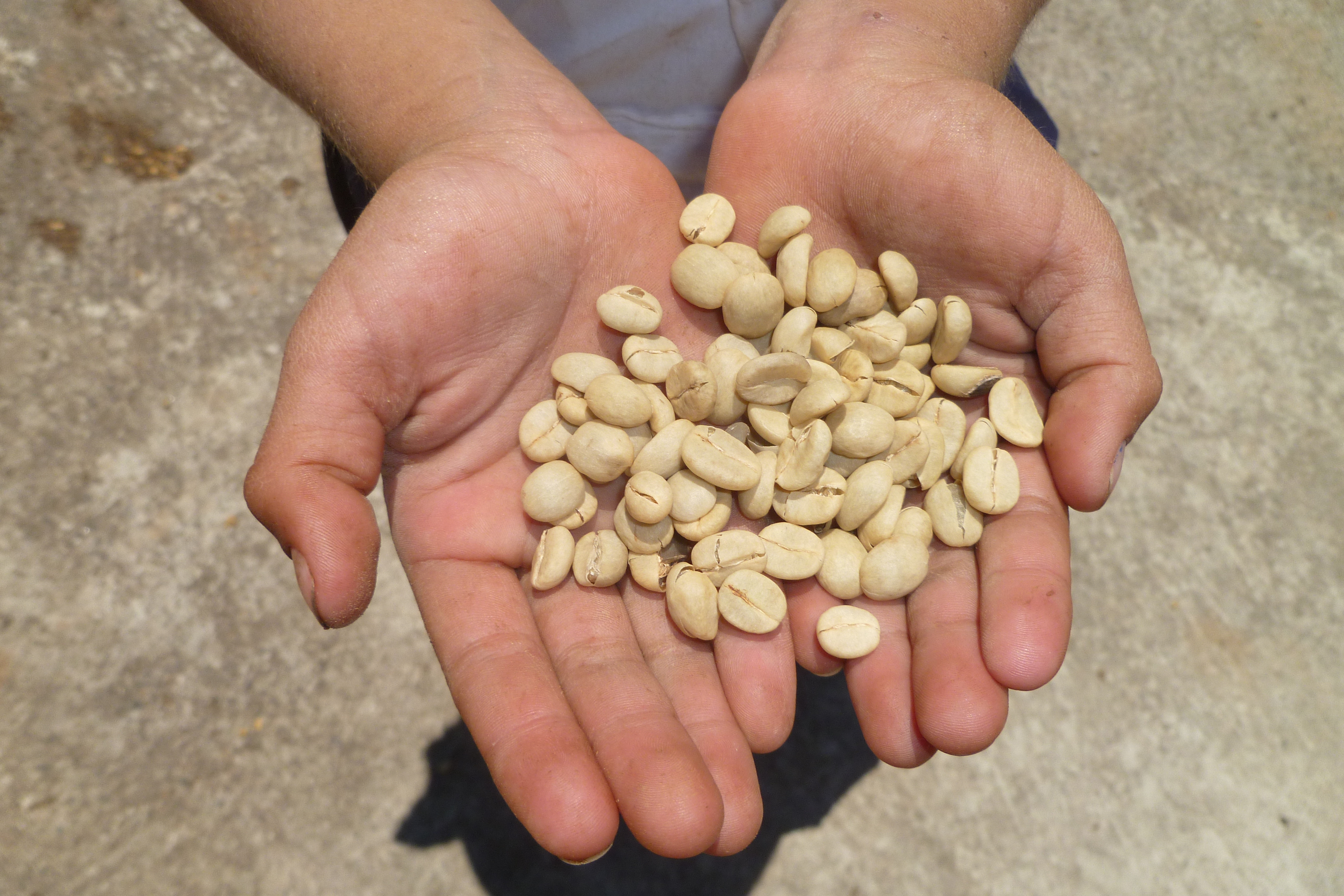
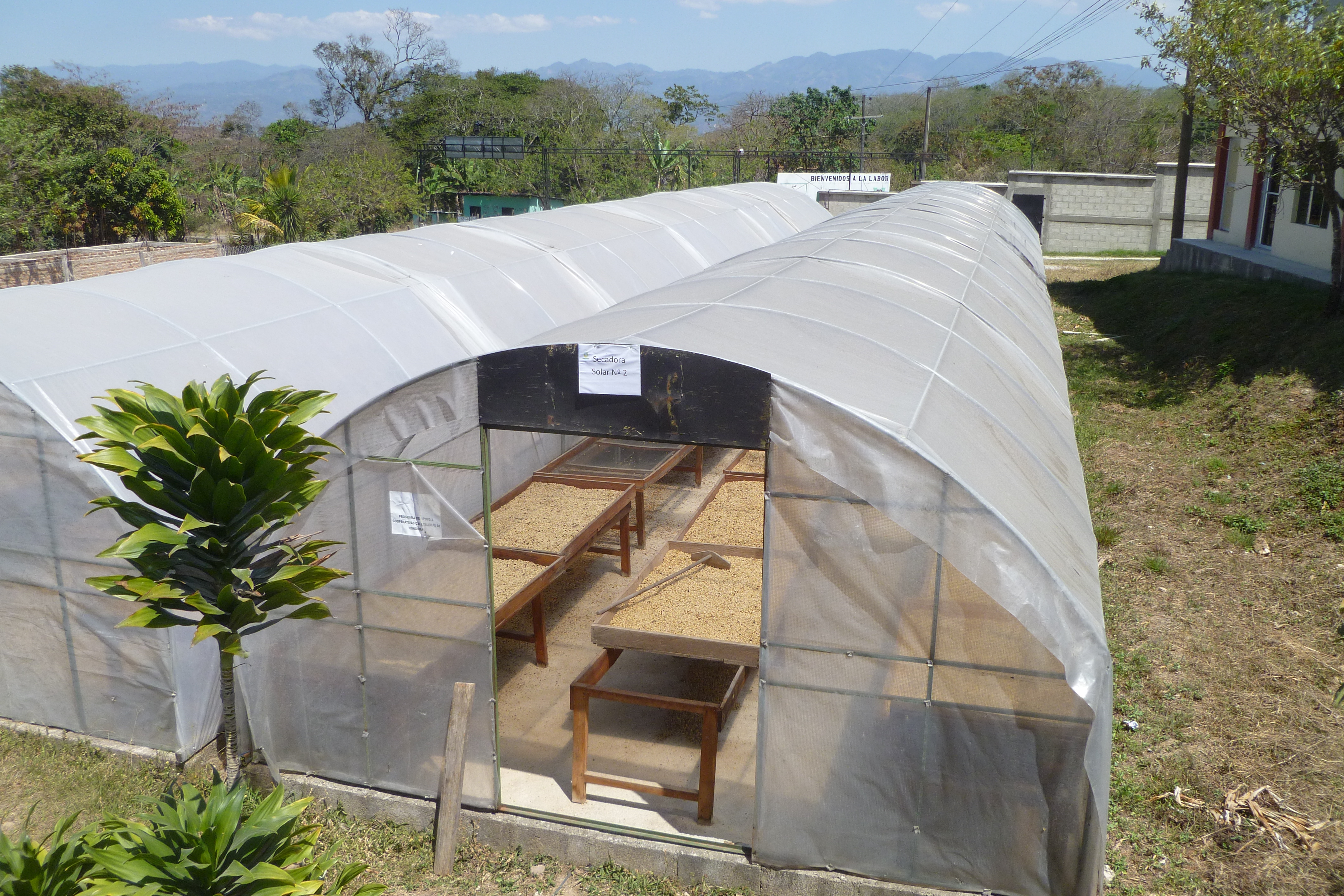
He has his own depulper and wet mill and uses a double-decker, raised bed greenhouse for drying, before taking his seeds to a beneficio for final milling. He has a quiet and competent grip on the factors making this coffee so great, and we are truly honored to be able to support his efforts every year.

